

Recognize signs of unresolved trauma and learn how trauma-based therapy in Queen Creek, AZ, can help. Living Deliberate offers EMDR-informed care. Call today.
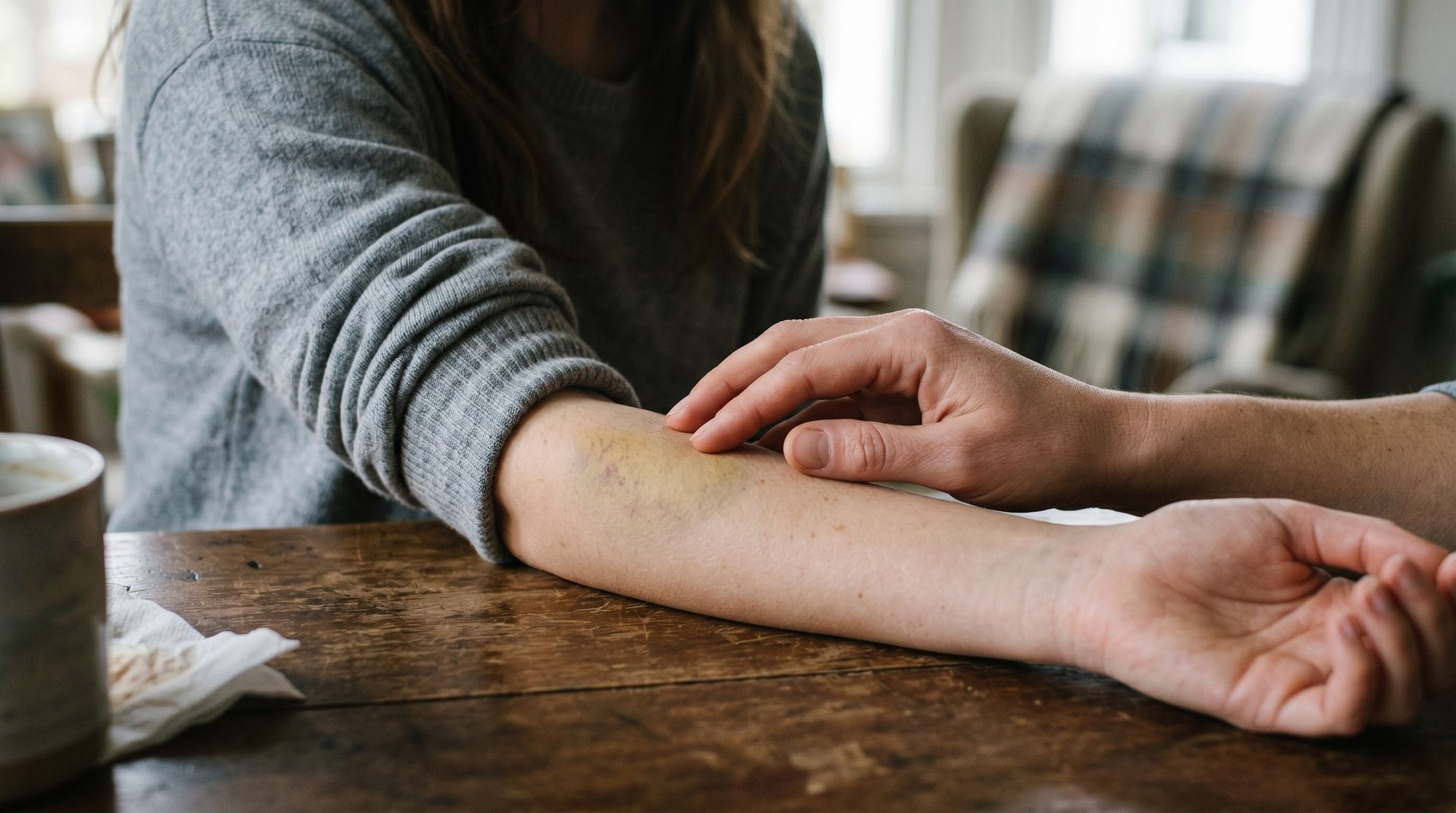
Trauma and abuse can change the way we see ourselves. Others, and the world around us. Even long after the events have ended, their impact can remain in our thoughts, emotions, relationships, and nervous system. Healing doesn’t mean forgetting what happened, it means learning that what happened doesn’t define the rest of your life. Trauma Doesn’t Always Look the Same Trauma can result from a single overwhelming event or from repeated experiences over time. Abuse may be physical, emotional, verbal, sexual, financial, or psychological. Sometimes the wounds are visible. More often, they’re not. You may find yourself: Feeling constantly on edge or anxious Avoiding certain people, places, or memories Struggling to trust others Feeling numb or disconnected Blaming yourself for what happened Feeling like you’re “stuck” even though the danger has passed These responses are not signs of weakness; they’re often the nervous systems’ way of trying to protect you. Your Reactions Make Sense After trauma, the brain and body become focused on safety. You may notice that small situations trigger big emotional responses, or that you have difficulty relaxing even when everything seems okay. This doesn’t mean something is wrong with you. It means your mind and body learned to survive in difficult circumstances. Those survival strategies were important then, but they may no longer be serving you today. Healing is More Than Talking About the Past Many people worry that therapy means reliving painful memories over and over again. In reality, trauma therapy moves at a pace that feels safe and supportive. Healing often includes learning how to regulate emotions, understand your nervous system, strengthen coping skills, and gently process difficult experiences when you’re ready. The goal isn’t to erase your story, it’s to help your story hold less power over your present. You Deserve to Feel Safe Again One of the hardest parts of trauma and abuse is how it can change the way you see yourself. You may question your worth, doubt your instincts, or believe that asking for help is a burden. Healing begins with recognizing one simple truth: What happened to you is not the same as who you are. With support it’s possible to rebuild trust, reconnect with yourself, and create relationships that feel safe and healthy. There is Hope Beyond Survival If you’ve experienced trauma or abuse, you don’t have to continue carrying it by yourself. Therapy offers a compassionate, nonjudgmental space to understand your experiences, process the impact they’ve had, and begin moving from surviving to truly living. Healing doesn’t happen all at once, but every step towards support is a step towards reclaiming your life. No matter where your journey begins, hope is possible.

Struggling with anxiety or depression in Queen Creek, AZ? Living Deliberate offers expert behavioral health therapy in person and online. Book a free consult.
When people hear the word "trauma," they often think of catastrophic events like abuse, violence, or natural disasters. While those experiences are deeply traumatic, they're not the only experiences that can leave lasting emotional wounds. The truth is, we all experience events that shape the way we see ourselves, others, and the world around us. Some are obvious. Others are much quieter, but no less important. What Are "Big T" and "Little t" Traumas? While these aren't official clinical diagnoses, many therapists use the terms "Big T" and "Little t" trauma to help explain the wide range of experiences that can impact our emotional well-being. Big T Trauma typically refers to events that involve actual or threatened death, serious injury, or sexual violence. These experiences may include: Physical or sexual abuse Serious accidents Combat or war Natural disasters Sudden loss of a loved one Little t Trauma refers to experiences that may not seem life-threatening but still overwhelm our ability to cope, especially if they happen repeatedly or during childhood. Examples include: Growing up with frequent criticism Emotional neglect Being bullied Feeling like you had to earn love or approval Witnessing constant conflict at home Feeling unseen, unheard, or emotionally alone Just because an experience doesn't look traumatic to someone else doesn't mean it wasn't traumatic for you. Trauma Isn't About Comparing Stories One of the biggest misconceptions about trauma is the belief that someone must "have it worse" for your pain to count. You might find yourself thinking: "Other people had it much worse." "It wasn't that bad." "I should be over it by now." But healing isn't a competition. Trauma isn't defined only by what happened , it's also influenced by how your nervous system experienced it , your age at the time, the support you had, and whether you felt safe afterward. Two people can experience the same event and be affected very differently. Both responses are valid. Small Experiences Can Have a Big Impact Sometimes it's not one major event that leaves a lasting mark. It's years of small moments. Maybe you learned that your feelings were "too much." Maybe mistakes were met with shame instead of understanding. Maybe you became the peacekeeper in your family because conflict felt unsafe. Over time, those experiences can shape you and how you… View yourself Trust other people Handle conflict Regulate emotions Feel safe in relationships These patterns often develop as ways to protect yourself. They made sense then, even if they no longer serve you now. Healing Begins with Compassion, Not Comparison Recognizing your own trauma isn't about labeling yourself as broken. It's about understanding the experiences that shaped you so you can respond to yourself with greater compassion. Whether your wounds came from one life-changing event or years of subtle emotional pain, your experiences matter. Your Story Deserves Care Healing doesn't require proving that your trauma was "bad enough." It begins by acknowledging your story with honesty and kindness. Therapy can provide a safe space to understand the patterns that developed from past experiences, strengthen your emotional resilience, and help you move forward with greater confidence and self-compassion. No matter how your trauma began, healing is possible—and you don't have to do it alone.
Why do some relationships feel calm and safe while others leave us constantly questioning where we stand? The answer often has less to do with compatibility and more to do with attachment. Attachment styles develop through our earliest relationships, but they don't have to define our future. With awareness, healthy communication, and intentional repair, it's possible to build what relationship expert Dr. Stan Tatkin calls a secure-functioning relationship , one where both partners actively create emotional safety for each other.
A lot of people may feel hesitant or nervous before starting EMDR therapy because they aren’t sure what to expect. EMDR stands for E ye M ovement D esensitization and R eprocessing. It is a therapy approach that helps the brain process difficult memories, emotions, or experiences that may still consume you. EMDR is a structured process, and your therapist will help guide you through each step at a pace that feels manageable.




